::: See all of our areas of focus :::
FITNESS

Fitness Is Being Disrupted. Here’s What’s Changing.
For decades, the fitness industry has been built around a familiar promise: look better, feel better, and become a better version of yourself. Gyms sold memberships, trainers sold programs, and brands built businesses around changing the body.
That idea isn't disappearing, but it is evolving.
Today, consumers are thinking about fitness in a much broader context. Exercise is increasingly connected to longevity, nutrition, mental well-being, social connection, and overall quality of life. Fitness is becoming less about a short-term transformation and more about how people want to live for decades to come.
From Looking Good to Living Well
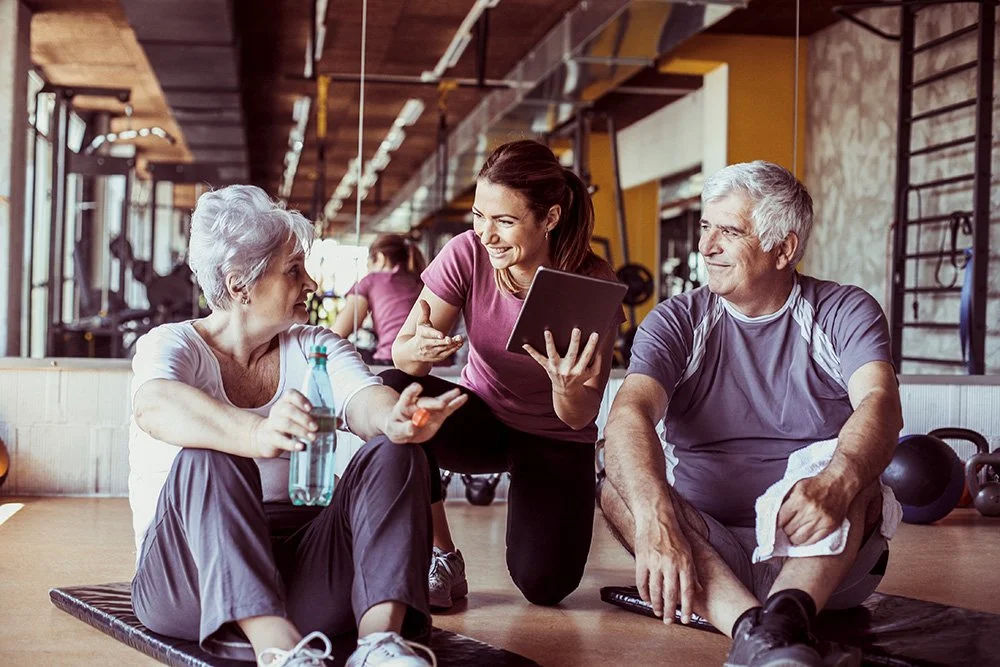
One of the biggest shifts is the growing focus on longevity and healthspan. Aesthetic goals still matter, but consumers are increasingly interested in maintaining strength, mobility, energy, and independence as they age.
Exercise is becoming less about simply changing the body and more about preserving the ability to enjoy life. Strength training, cardiovascular fitness, mobility, recovery, and nutrition are being viewed as long-term investments in quality of life.
For the industry, this creates an opportunity to move beyond the traditional 30- or 90-day transformation model and become part of a much longer journey.
The Rise of Hybrid Fitness
The lines between different types of exercise are also beginning to disappear.
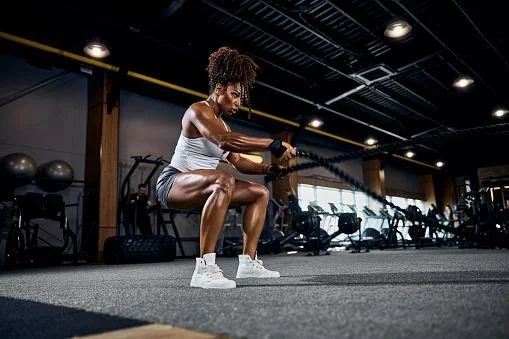
Rather than identifying exclusively as a runner, lifter, cyclist, or yogi, today's fitness consumer is increasingly combining disciplines. Strength training might sit alongside running, cycling, hiking, or conditioning.
This hybrid approach reflects a broader definition of fitness—one based on versatility and capability rather than specialization. People want to be strong, have endurance, and be ready for whatever life throws at them.
Fitness becomes less about fitting into a category and more about having the freedom to do more.

Fitness Is Becoming Social Again
For all the technology that has entered fitness, people still want something technology can't fully replace: human connection.
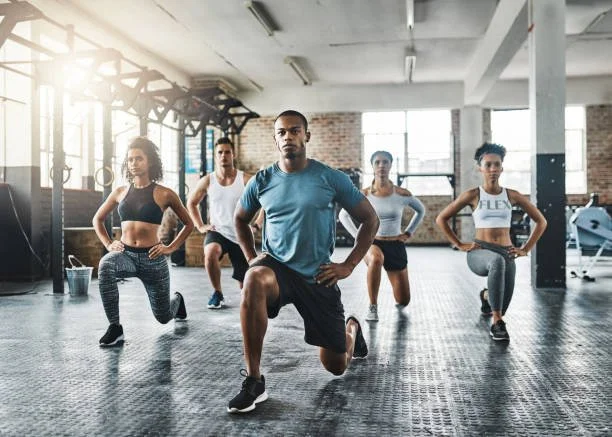
Run clubs, group workouts, boutique studios, recreational sports, and social fitness communities are growing around the idea that exercise can be about more than the workout itself.
People want accountability, relationships, and belonging.
For fitness brands, that creates an important opportunity. The strongest communities may ultimately be built around relationships rather than equipment or programming. In an increasingly digital world, bringing people together can be a powerful part of the fitness experience.
“Fitness is becoming less about a short-term transformation and more about how people want to live for decades to come.”
Making Nutrition and Health Information Simpler
Nutrition is following a similar path.
Consumers have access to more health information than ever, but that abundance can make healthy living feel unnecessarily complicated. Diets, supplements, protocols, and conflicting advice can make it difficult to know what actually matters.
As a result, simplicity is becoming more valuable.
Consumers are looking for practical ways to improve everyday nutrition—getting more protein and fiber, making better choices, and finding convenient options that fit real life.
They're also looking for something equally important: information they can trust.
With social media producing an endless stream of health advice, consumers are becoming more interested in credible, science-backed guidance that helps them separate meaningful information from the latest wellness fad.
For brands, education and transparency can become just as important as the product itself.
A Bigger Definition of Fitness
Taken together, these trends point toward a fundamental change.
Fitness is no longer simply about how someone looks or how much they can lift. It's increasingly about whether they have the strength and energy to participate in the life they want, whether they can remain active as they age, whether they have meaningful connections, and whether they can make informed decisions about their health.
That expands the fitness industry far beyond gyms and workouts. It creates opportunities across healthcare, nutrition, technology, food, hospitality, community, and lifestyle.
The next era of fitness won't necessarily be defined by one new workout or wellness trend.
The Bigger Idea:
Helping people live healthier, more active, more connected lives for as long as possible. For brands operating in fitness, wellness, health, and active lifestyle, that shift represents more than disruption. It represents an opportunity to redefine what fitness can be.