::: See all of our areas of focus :::
LIFESTYLE
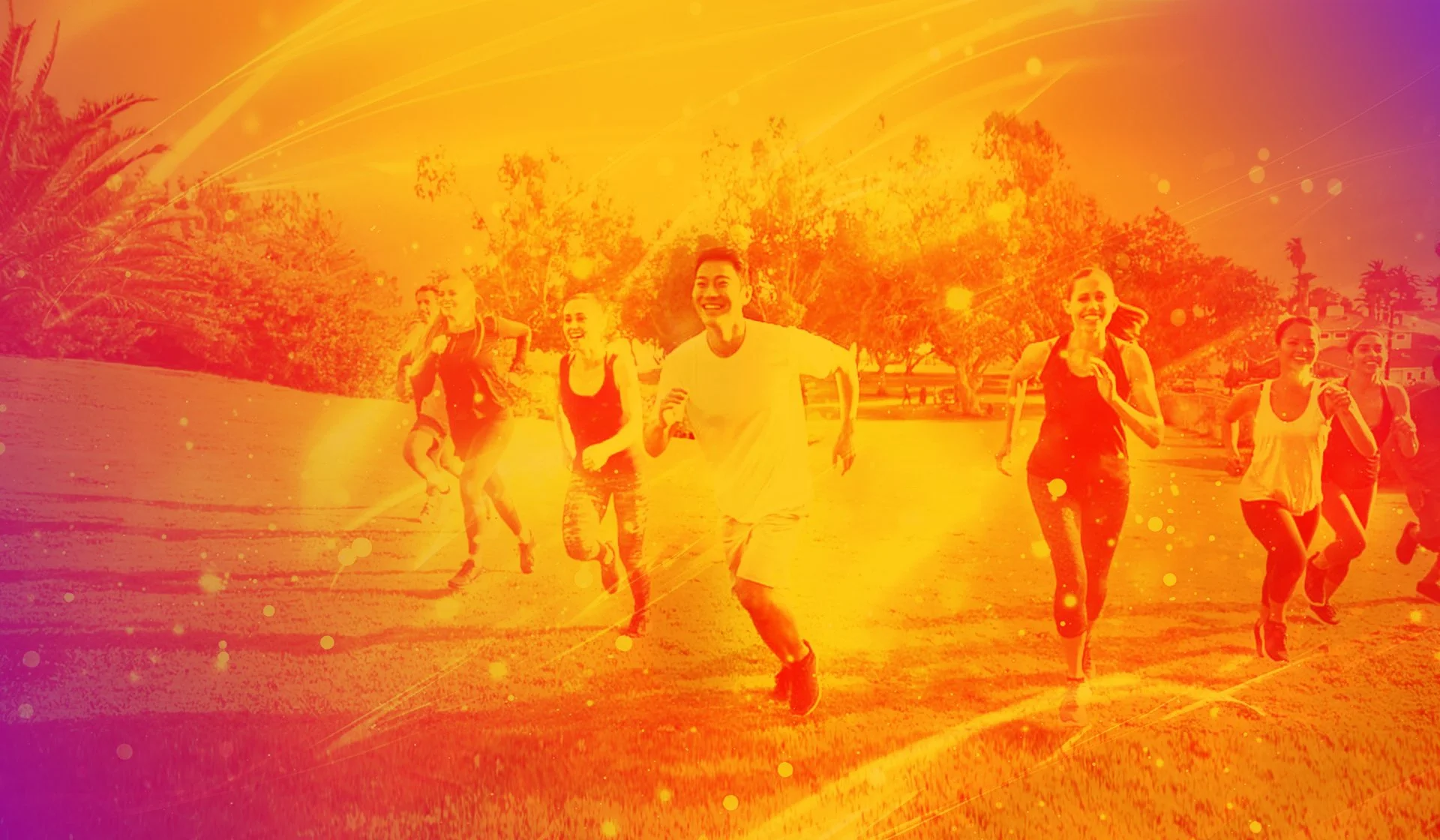
Living More. Moving More. Experiencing More.
For decades, an active lifestyle was often defined by sports, outdoor recreation, hobbies, and activities that kept people moving. That definition is expanding.
Today, being active is less about any one activity and more about how people choose to live. Technology is helping people better understand their health and habits. Communities are creating new reasons to get out and participate. Everyday movement is becoming more natural, while new products and experiences are making it easier to stay comfortable, connected, and engaged.
Active living is becoming less about what people do for an hour and more about how they spend their lives.
Movement Is Becoming Part of Everyday Life
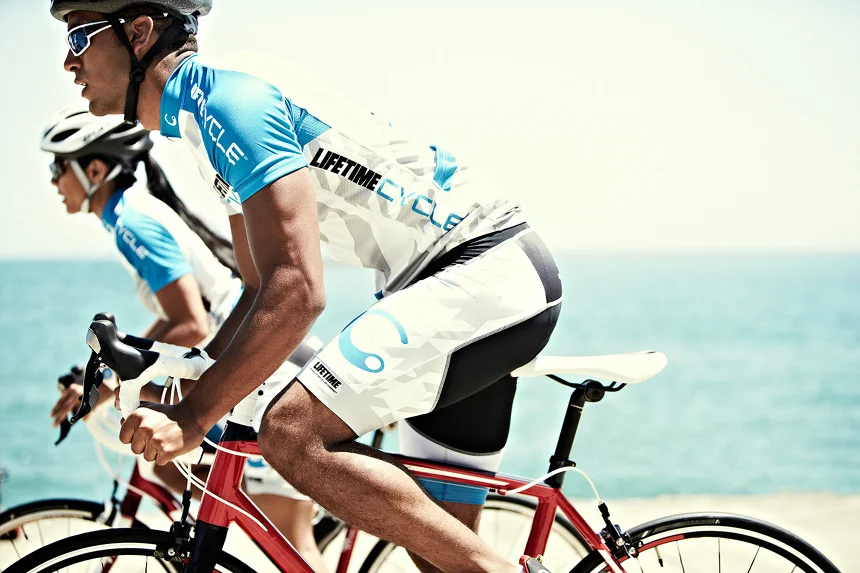
Being active is also becoming less structured. People are finding simple ways to incorporate movement into everyday life—walking after dinner, exploring a neighborhood, walking the dog, gardening, riding a bike, or simply spending more time outside.
The appeal is that these behaviors don't feel like obligations. They're part of life.
This is helping redefine what an active lifestyle looks like. It doesn't require a particular schedule, destination, or goal. It can happen throughout the day, often without people even thinking about it.
The goal isn't necessarily to do more. It's to create a life that naturally keeps you engaged.
Community Is Driving Connection
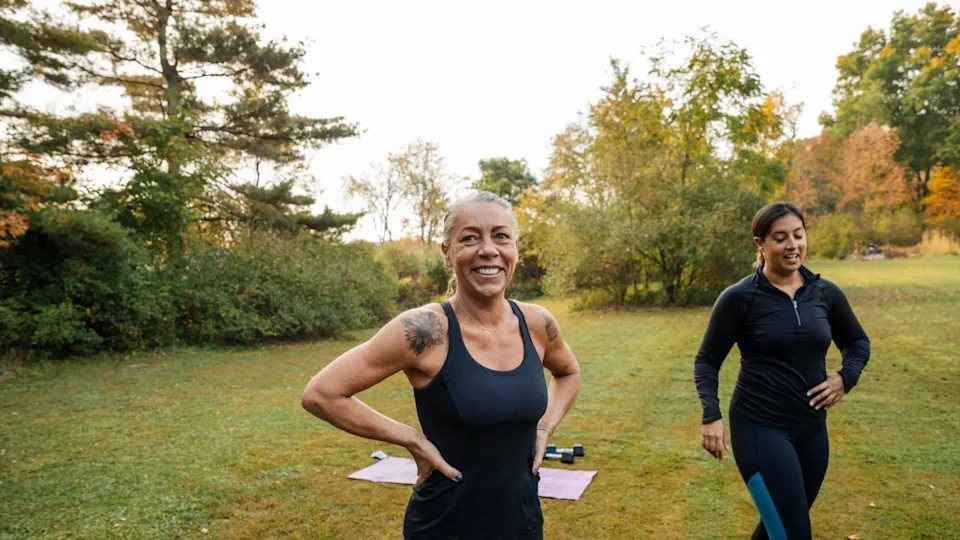
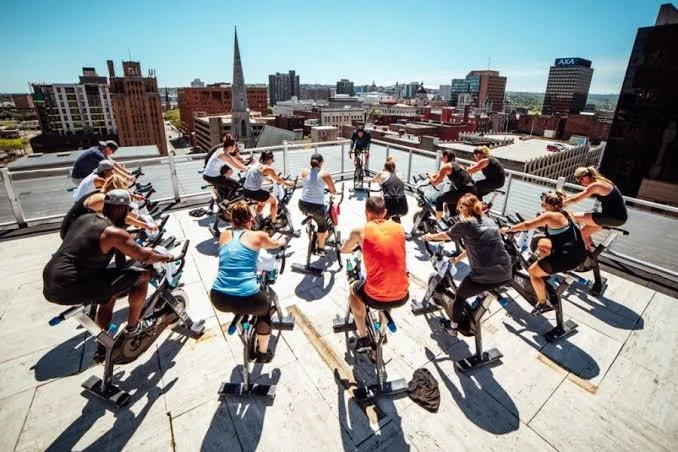
People are also rediscovering the value of doing things together. Pickleball, padel, walking groups, recreational leagues, outdoor organizations, and hobby communities are creating new opportunities to connect around shared interests. The activity itself is often just the starting point. What people really want is connection, belonging, and something to look forward to.
For brands, that creates an opportunity to build relationships around shared passions rather than simply transactions. A hobby can become a community. An activity can become a tradition. A shared interest can create lasting connections.
Active Living Doesn't Have an Age Limit
Another important shift is happening as people rethink what it means to grow older.
Consumers are increasingly interested in maintaining the energy, mobility, and independence to continue doing the things they enjoy—traveling, gardening, golfing, hiking, spending time outdoors, or pursuing a lifelong hobby.
Age is becoming less of a definition and more of a consideration. The opportunity for brands is to focus less on age and more on what people want to keep doing. Because staying active isn't necessarily about staying young. It's about staying involved in life.
“For brands, there is an opportunity to become part of the journey, not just another product or service, but something that helps people experience more, connect more, and live more fully.”
Technology Is Becoming Part of the Experience
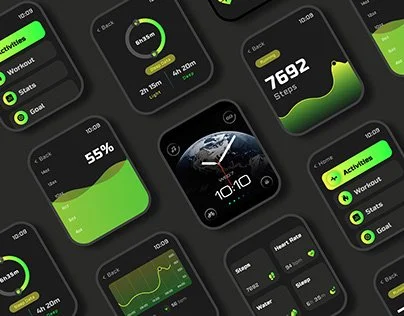
Technology is changing how people experience an active lifestyle. Wearables and smart devices are giving consumers greater insight into sleep, stress, activity, heart rate, and other aspects of everyday well-being.
One example is heart rate variability (HRV), which can provide insight into how the body is responding to stress and recovery. Consumers are increasingly using this information to understand when they may have more capacity for activity and when it may be smarter to slow down and recover. Instead of always pushing to do more, the focus is shifting toward listening to the body and finding a healthier balance.
AI is taking personalization even further, helping people discover activities, plan experiences, understand their habits, and make more informed choices.
The opportunity for brands is significant. The most valuable technology may not be the technology that tracks the most, but the technology that helps people make better decisions about how they spend their time.
Products Are Adapting to How We Live
The products supporting active lifestyles are evolving, too. Active environments and changing outdoor conditions are creating demand for cooling technologies, UV protection, breathable fabrics, hydration solutions, and climate-responsive products.
Nutrition is becoming more practical and portable as well. Protein, electrolytes, hydration products, and other convenient solutions are fitting more naturally into busy, active days.
Consumers aren't necessarily looking for complicated systems. They're looking for products that make it easier to do the things they enjoy.
A More Active Way to Live
Taken together, these trends point toward a broader definition of an active lifestyle.
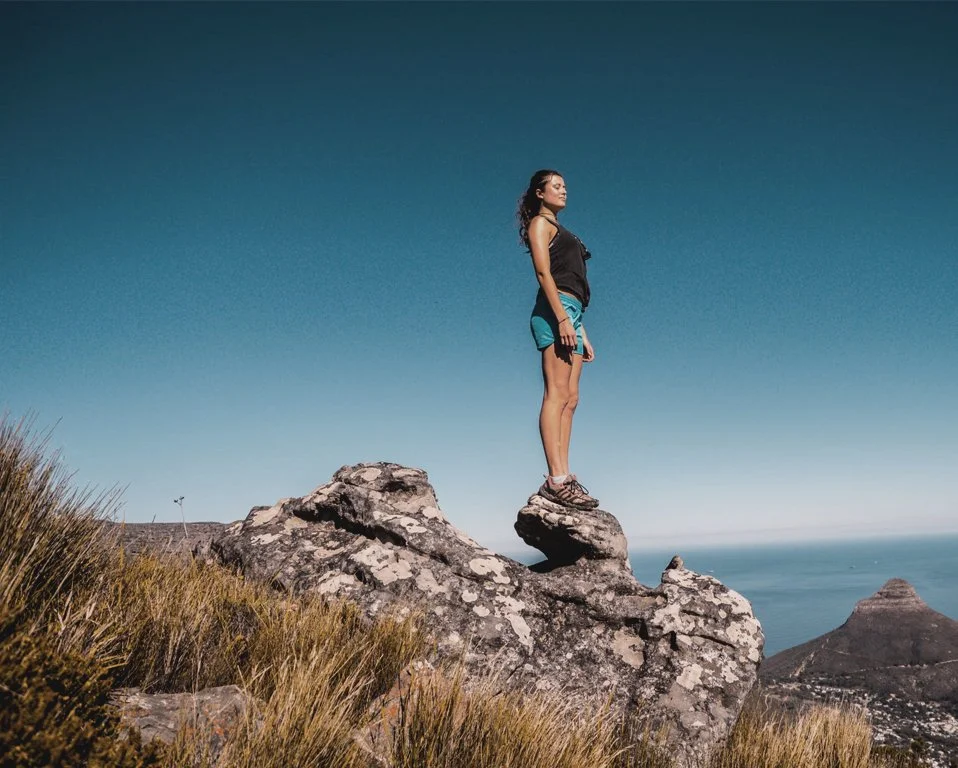
It's about getting outside, pursuing interests, exploring new places, connecting with people, discovering new experiences, and taking care of yourself along the way. That creates opportunities far beyond traditional recreation. Travel, hospitality, outdoor, apparel, food, nutrition, technology, entertainment, and wellness are all becoming part of the active lifestyle conversation.
For brands, that creates an opportunity to become part of the journey, not just another product or service, but something that helps people experience more, connect more, and live more fully.
Because people don't experience their lives in categories. They simply live them.