::: See all of our areas of focus :::
ACTIVE HEALTH TECH
Health Tech Is Moving Beyond Tracking.
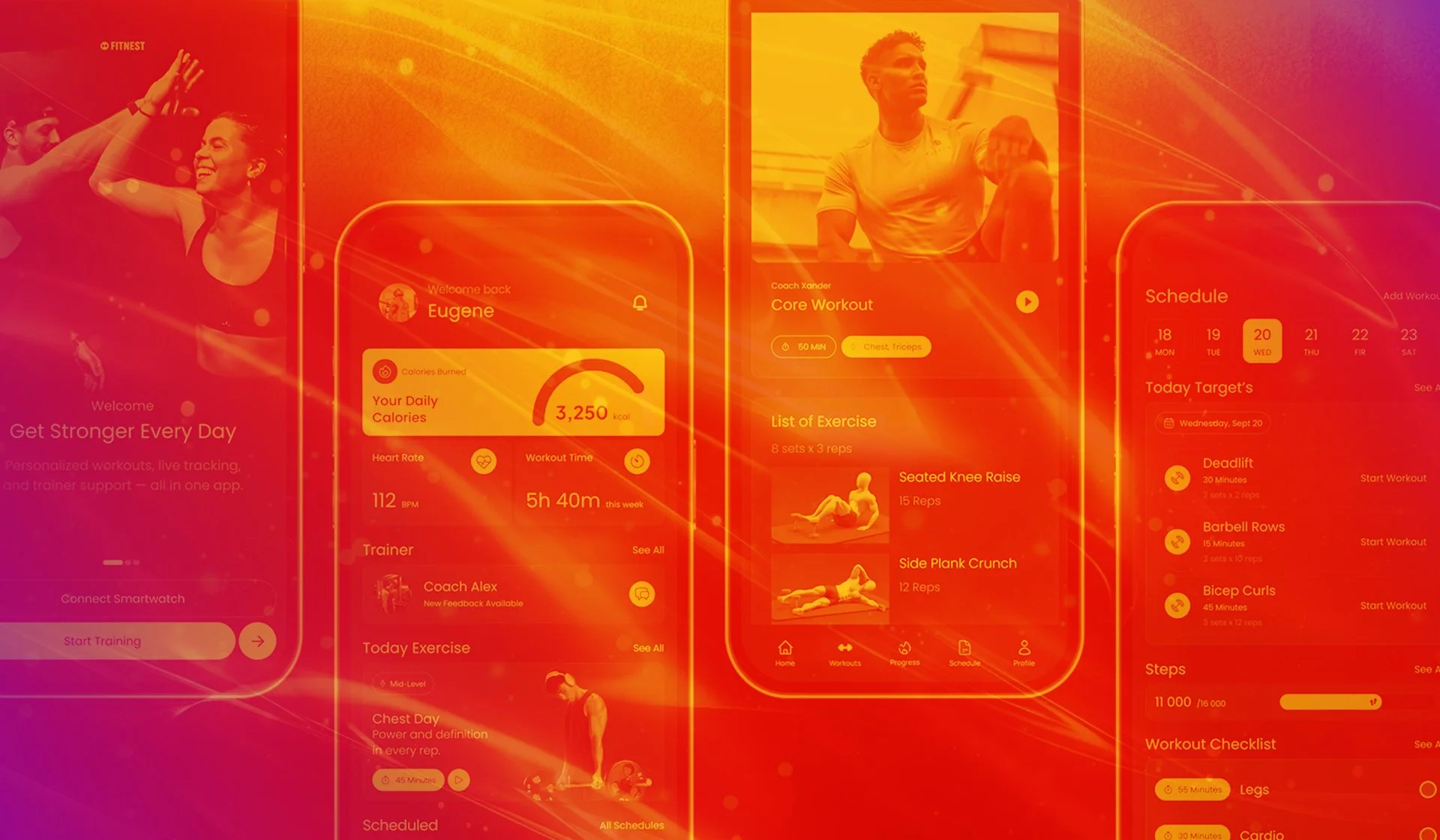
For years, health technology was largely about tracking the basics. Steps, heart rate, calories, sleep, and activity could all be measured, but the information often remained disconnected from the bigger picture. Today, that is changing. Health technology is becoming more intelligent, personalized, and continuous, creating new ways for people to understand their health and make more informed decisions.
Wearables are moving beyond simple tracking toward interpretation. Artificial intelligence is helping identify patterns in health data. Biomarkers and genetic information are creating more individualized approaches to health. At the same time, new digital health professionals are helping people navigate an increasingly complex ecosystem of technology, data, and healthcare services.
The result is a shift from simply collecting health information to understanding what that information can actually tell us.
The Rise of Always-On Health Technology
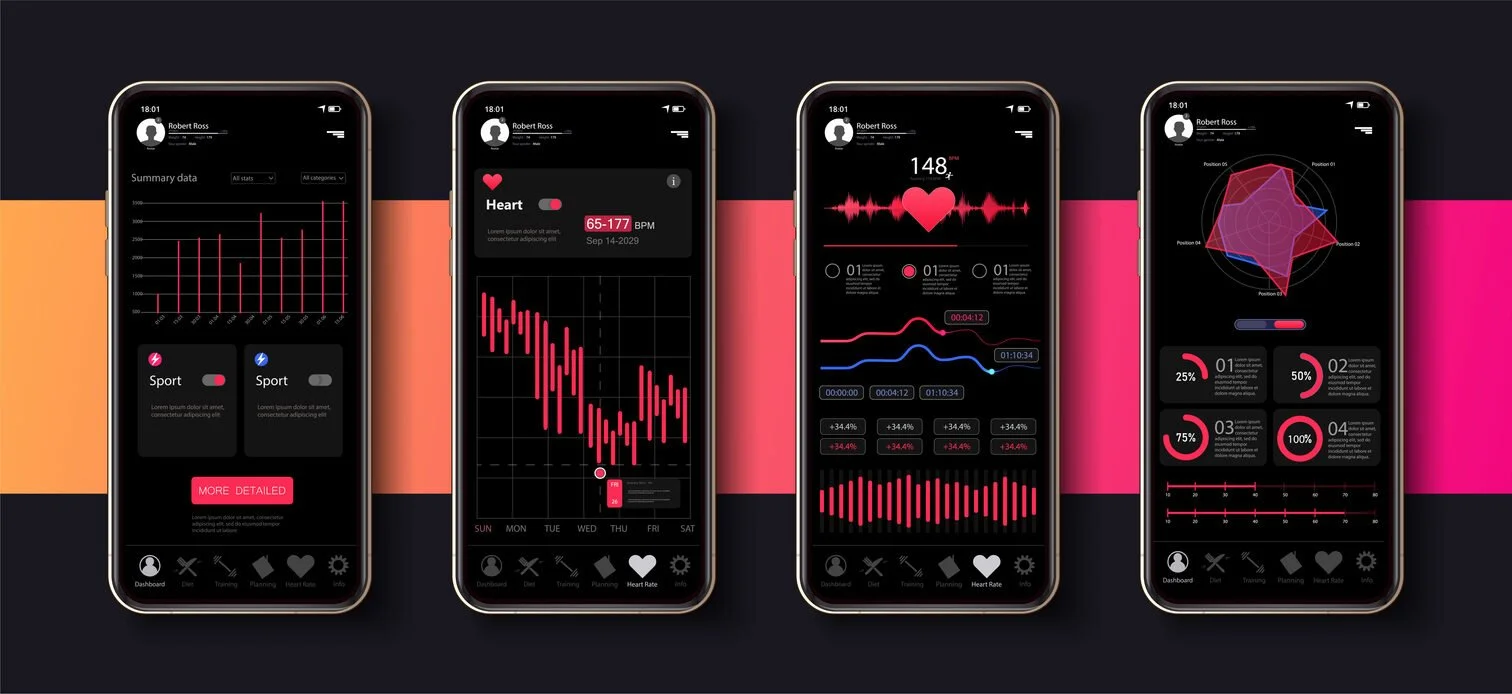
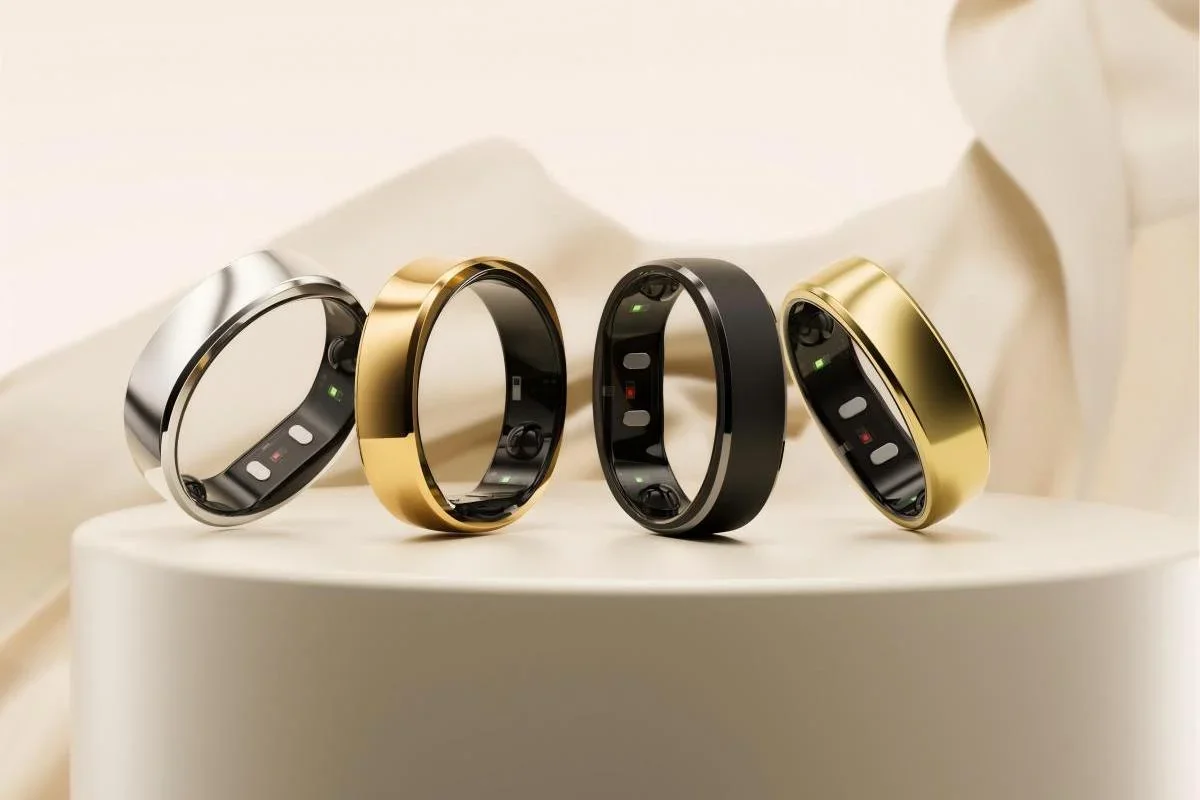
Smartwatches, rings, and at-home monitoring devices are becoming increasingly sophisticated. Rather than simply recording what happened yesterday, these technologies can continuously monitor sleep, heart rhythms, stress, and other signals that may reveal changes in how the body is functioning. As sensors become more capable and artificial intelligence becomes better at interpreting the information they collect, health technology is moving closer to an always-on model of personal health.
AI can help identify patterns and changes that might otherwise be difficult for an individual to recognize. The goal isn't simply to generate more information, but to make that information more meaningful. Over time, this could create a more proactive approach to health, where technology helps people recognize changes and have more informed conversations with healthcare professionals before problems become more apparent.
AI Is Changing Healthcare Behind the Scenes
AI is also transforming what happens beyond the consumer experience. Machine learning models are increasingly being used to analyze medical images, identify patterns in large datasets, and support clinicians as they evaluate potential health issues. At the same time, automation is helping reduce administrative work and streamline processes that have traditionally consumed significant amounts of time.
For consumers, much of this technology may remain invisible, but its impact could be significant. Faster analysis, better use of information, and more efficient healthcare systems can give clinicians more opportunity to focus on patient care. In this sense, some of the most important advances in active health technology may happen behind the scenes, quietly changing how healthcare is delivered.
Health Is Becoming More Personal
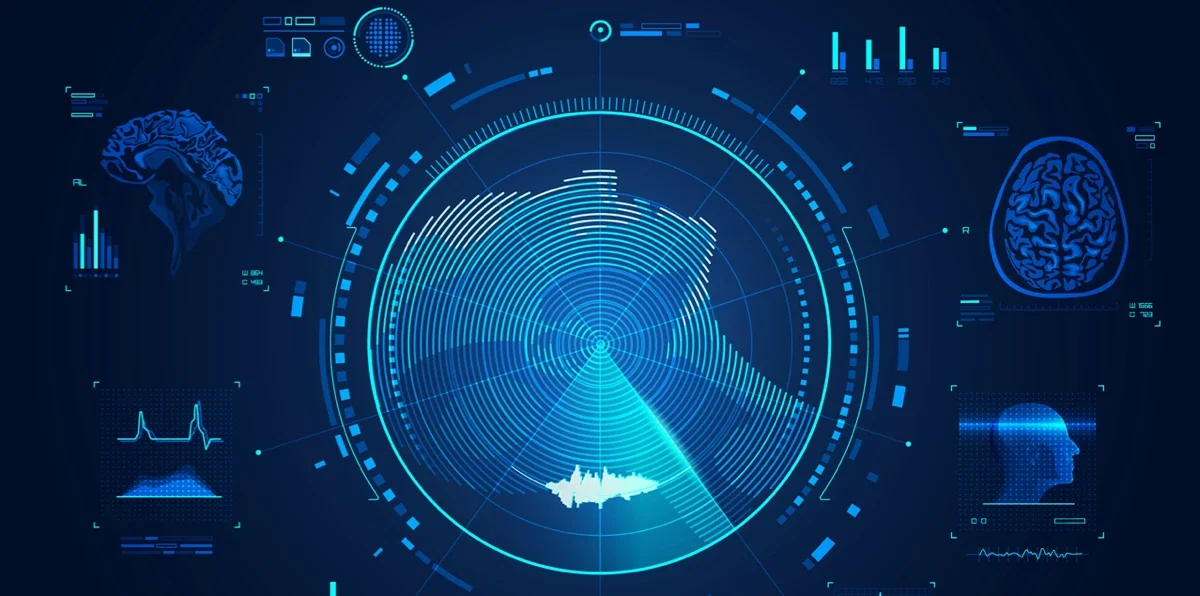
Another major shift is the growing role of personalized medicine. Instead of assuming that the same approach works equally well for everyone, healthcare is increasingly looking at individual biology. Genetic information, biomarkers, bloodwork, and other data can provide a more detailed picture of how a person may respond to different interventions.
This is helping move the conversation away from generalized health recommendations and toward more individualized approaches. For consumers, that can mean a deeper understanding of their own biology and more personalized conversations with healthcare professionals. The future of health may be less about following one universal playbook and more about understanding what works for the individual.
Mental Wellness Is Becoming More Measurable
Health technology is also beginning to explore new ways of understanding mental and emotional well-being. Voice analysis, speech patterns, and facial expressions are being studied as potential digital biomarkers that could help identify changes associated with stress, anxiety, depression, and other mental health conditions.
The technology is still developing, and important questions remain around accuracy, privacy, and clinical validation. But the direction is significant. As health technology evolves, the definition of health data is expanding beyond physical measurements toward a more complete picture of how people are doing.
“The next generation of health technology won't simply tell people how many steps they took or how long they slept. It will increasingly help identify patterns, recognize changes, personalize decisions, and connect personal data.”
Health Data Is Finally Starting to Connect
As more devices, apps, providers, and platforms generate health information, another challenge becomes increasingly important: getting all of that information to work together. Interoperability is becoming a major focus of digital health, with the goal of allowing information to move securely between systems rather than remaining isolated within individual devices or healthcare networks.
In the United States, the Trusted Exchange Framework and Common Agreement, or TEFCA, provides a nationwide framework for securely exchanging electronic health information across different networks. The broader goal is to create a more connected health information ecosystem in which data can follow a person across providers, platforms, and care settings.
That matters because connected data has the potential to create a more complete picture of health. Rather than having information scattered across a smartwatch, a healthcare provider, an app, and an at-home device, interoperability can help bring those pieces together. TEFCA has already reached significant scale, with the Sequoia Project reporting more than 1.7 billion documents exchanged through the framework as of September 2026.
A New Layer of Human Guidance
As health technology becomes more sophisticated, another need is emerging: helping people understand it. Wearables and digital health platforms can generate enormous amounts of information, but data alone doesn't necessarily lead to better decisions. Digital health coaches, patient navigators, and other emerging roles can help people interpret information, navigate digital healthcare systems, and connect technology with real-world health decisions.
That creates an important balance between technology and human guidance. Technology can collect, organize, and analyze enormous amounts of information, but people still need context to understand what it means and how it fits into their lives. The most useful health technology may ultimately be the technology that makes people feel more informed rather than simply more monitored.

From Tracking Health to Understanding It
Taken together, these trends point toward a fundamental change in the role technology can play in personal health. The next generation of health technology won't simply tell people how many steps they took or how long they slept. It will increasingly help identify patterns, recognize changes, personalize decisions, connect information, and make healthcare easier to navigate.
That creates opportunities far beyond traditional healthcare technology. Wearables, diagnostics, biomarkers, AI, personalized medicine, mental wellness, nutrition, and digital services are increasingly becoming part of the same conversation. The boundaries between healthcare, technology, and everyday life are becoming less distinct as people gain access to more tools for understanding their own health.
The future of active health technology isn't simply about collecting more data. It's about turning that data into something people can understand and use, making health more personal, proactive, connected, and ultimately more human.