::: See all of our areas of focus :::
WELLNESS & VITALITY

Living Better, Longer.
Wellness is entering a new phase. For years, the conversation around aging focused largely on slowing the visible signs of getting older or responding to health problems once they appeared. Today, the focus is shifting toward something more proactive: understanding the body earlier, optimizing how it functions, and extending the years people can live with energy, mobility, and independence.
This is the emergence of a more personalized approach to vitality. Rather than focusing only on lifespan, people are increasingly interested in healthspan – the years spent feeling well, staying capable, and participating fully in the things they enjoy.
The shift is bringing together advanced diagnostics, metabolic health, hormones, peptides, GLP-1 therapies, nutrition, and technology. What connects these trends is a growing desire to understand the body at a deeper level and find more individualized ways to support long-term health.
From Aging to Optimization
The definition of healthy aging is changing. Instead of waiting for problems to emerge, people are becoming more interested in understanding the factors that influence how they feel and function today – and how those factors may affect their health in the years ahead.
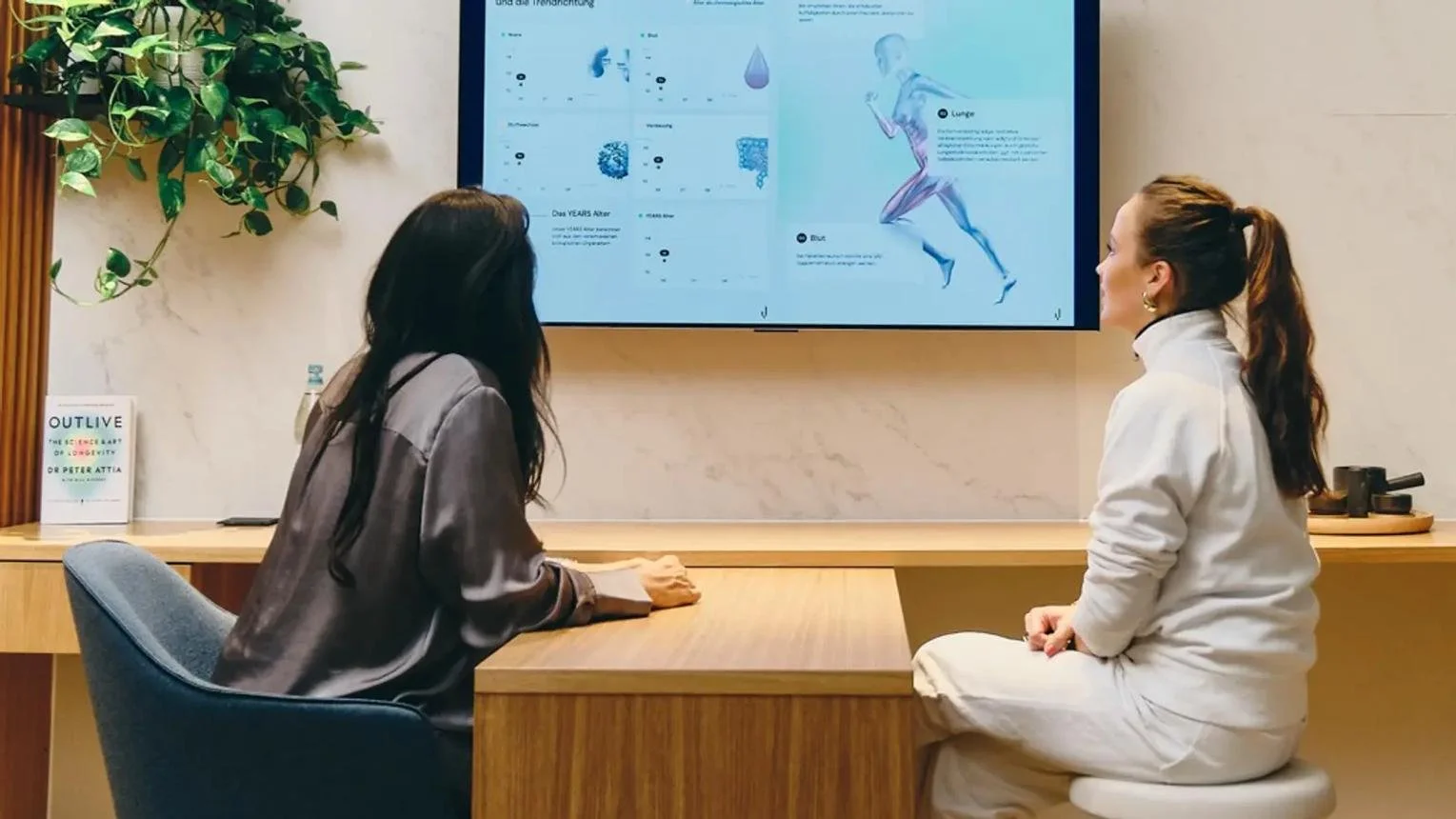
Advanced bloodwork, biological age assessments, metabolic testing, and other diagnostic tools are creating a more detailed picture of individual health. Rather than looking only for signs of disease, these approaches can help identify patterns and potential opportunities to support long-term well-being.
That reflects a larger change in the wellness conversation. The objective is no longer simply to ask, “What is wrong?” It is increasingly about asking, “What can we understand, improve, and maintain?”


The Rise of Peptides and GLP-1s
Few developments have generated more interest in the wellness and vitality space than peptides and GLP-1 therapies. Once primarily associated with specialized medical applications, these tools have moved into the broader conversation around metabolic health, body composition, recovery, aging, and long-term wellness.
GLP-1 medications have particularly changed how people think about weight management and metabolic health. Their growing use has also expanded the conversation beyond weight alone, raising new questions about nutrition, muscle preservation, strength, metabolic function, and what sustainable health looks like after significant weight loss.
At the same time, peptides have become a major area of interest among consumers looking for more targeted approaches to recovery, aging, and biological function. Some peptides are being studied for specific therapeutic applications, while others remain much less established. That distinction is becoming increasingly important as the category expands.
The larger trend is clear: consumers are moving toward interventions that are more targeted, personalized, and connected to specific biological processes.
The Body Works as a System
The growing interest in peptides and GLP-1s is part of a broader shift away from treating health categories as completely separate. Energy, metabolism, hormones, sleep, body composition, recovery, and cognitive function are deeply interconnected, and changes in one area can influence another.
This systems-based perspective is particularly visible in hormone and metabolic health. Rather than viewing testosterone, thyroid function, cortisol, insulin regulation, or other markers in isolation, a more integrated approach considers how these systems interact with energy, muscle maintenance, sleep, stress, and overall well-being.
The same thinking applies to emerging therapies. The question isn't simply whether an intervention produces a particular result. It's how that intervention fits into the larger picture of an individual's health.
“This is the emergence of a more personalized approach to vitality. Rather than focusing only on lifespan, people are increasingly interested in healthspan – the years spent feeling well, staying capable, and participating fully in the things they enjoy.”
Personalization Is Becoming the Standard
As people gain access to more sophisticated health information, generalized wellness advice can feel increasingly limited. Two people can have similar goals but very different biology, lifestyles, symptoms, and needs.
That is driving greater interest in personalized approaches that can evolve with the individual. Genetic information, biomarkers, bloodwork, metabolic data, and other insights can help create a more detailed picture of what may be influencing someone's health and how different strategies could fit into their goals.
This is where peptides, GLP-1s, hormone therapies, nutrition strategies, and other interventions increasingly intersect with personalized health. Rather than searching for a single solution that works for everyone, the emerging model is about understanding the individual first and determining what makes sense from there.
Beyond the Biohacking Boom
The rapid growth of peptides, GLP-1s, supplements, diagnostics, and other longevity tools has created an enormous amount of excitement—and an equally important need for discernment.
Not every emerging therapy has the same level of evidence. Some interventions have established medical applications, while others are still being studied. The growing popularity of biohacking has also created a market where compelling claims can sometimes move faster than the science.
That doesn't diminish the potential of the category. It makes thoughtful evaluation more important. The future of vitality will likely belong to approaches that combine emerging science with appropriate medical guidance and the fundamentals that have always supported health: quality sleep, nutritious food, movement, recovery, and meaningful human connection.
Making Wellness Easier to Live
The wellness experience itself is becoming more convenient. Functional beverages, gummies, targeted supplements, personalized protocols, at-home testing, and digital health tools are making it easier to incorporate health-related choices into everyday routines.
But convenience is only valuable when it supports consistency. The larger opportunity is to make healthier choices feel less complicated and more sustainable while using technology, diagnostics, and professional guidance to help people understand which choices are actually relevant to them.
The future of wellness may not be about adding more things to a daily routine. It may be about making the right things easier to understand, easier to access, and easier to maintain.

Vitality Is the Bigger Goal
As longevity expands across healthcare, nutrition, beauty, technology, hospitality, and the places where people live, wellness is becoming much bigger than a category. It is becoming a way of thinking about the entire experience of aging and living well.
Peptides and GLP-1s are part of that evolution, but they are not the entire story. The larger opportunity is a more integrated approach to health—one that combines better information, emerging science, personalized care, and everyday habits to help people maintain the energy and capacity to live well.
The next generation of wellness isn't simply about living longer.